The RED team over the years in alphabetical order of last name
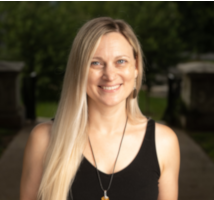
Sarah Appelhans
I am an anthropologist and former engineer studying workplace culture in the engineering profession. I have two major strains of research. The first is related to gender, immigration, and labor in the semiconductor industry. The second is in engineering education, where I am broadly interested in equitable and holistic engineering education. My current research project explores the human impacts of employment-related mobility in the semiconductor industry

Philip Asare

Michael Beach
Michael Beach completed his Ph.D., M.S., and B.S. in Human Centered Design & Engineering at the University of Washington, along with a B.A. in Comparative History of Ideas. His research brings together design, engineering education, human-computer interaction, and the humanities to explore how people make sense of and act within complex systems. He is particularly interested in wicked problems, speculative and participatory design, organizational change, and the relationships between technology, education, and society. His research has engaged topics ranging from engineering education and professional formation to climate migration, marine energy, and the circular economy. As a postdoctoral scholar at Bucknell University, his work on the NSF RED project focuses on curricular systems, reflective learning, professional development, and the design and study of educational innovations.
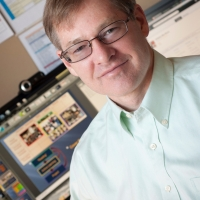
Alan Cheville
Alan Cheville studied optoelectronics and ultrafast optics at Rice University, then spent fourteen years as a faculty member at Oklahoma State University. After serving for two and a half years as a program director in engineering education at the National Science Foundation, he served as chair in the Electrical & Computer Engineering Department at Bucknell University for eight years. He is currently interested in engineering design education, engineering education policy, and the philosophy of engineering education. He founded the Maker-E, an electronic MakerSpace for students at Bucknell and is just wrapping up an NSF Revolutionizing Engineering Education grant.

Robert Nickel
Robert Nickel completed his undergraduate studies in electrical engineering at the Rheinisch-Westfälische Technische Hochschule (RWTH) in Aachen, Germany and his graduate studies in electrical engineering at the University of Michigan in Ann Arbor, Michigan. He served as an adjunct lecturer for two semesters at the University of Michigan followed by an assistant professor position at Penn State University in University Park, Pennsylvania. Since 2007 he is a faculty member in the Electrical Engineering Department, Bucknell University. During the 2010/2011, 2014/2015, and 2022/2023 academic years he worked as a guest researcher in Germany, first at the Ruhr-Universität Bochum and later at the Technische Universität Berlin. His current research interests include uncertainty estimation in AI, especially in large language models, and engineering education.
Annie Patrick
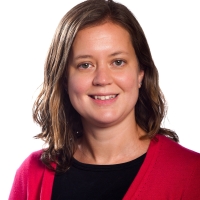
Rebecca Thomas
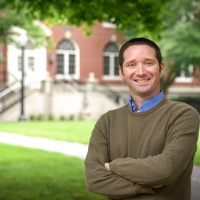
Stewart Thomas
Stewart J. Thomas received the B.S. and M.Eng. degrees in electrical engineering from the University of Louisville, Louisville, KY, USA, and the Ph.D. degree in electrical and computer engineering from Duke University, Durham, NC, USA. He worked as a postdoctoral scholar and research scientist at Duke University and was a faculty member at Valparaiso University before coming to Bucknell University’s Electrical and Computer Engineering Department in 2018. His technical background is rooted in low-power backscatter communications and IoT devices—having served various roles on the organizing committee for the IEEE International Conference on RFID since 2014. His current interests are related to adapting the capabilities approach to engineering education and helping learners live a life they choose to value.
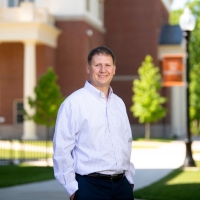
Stu Thompson
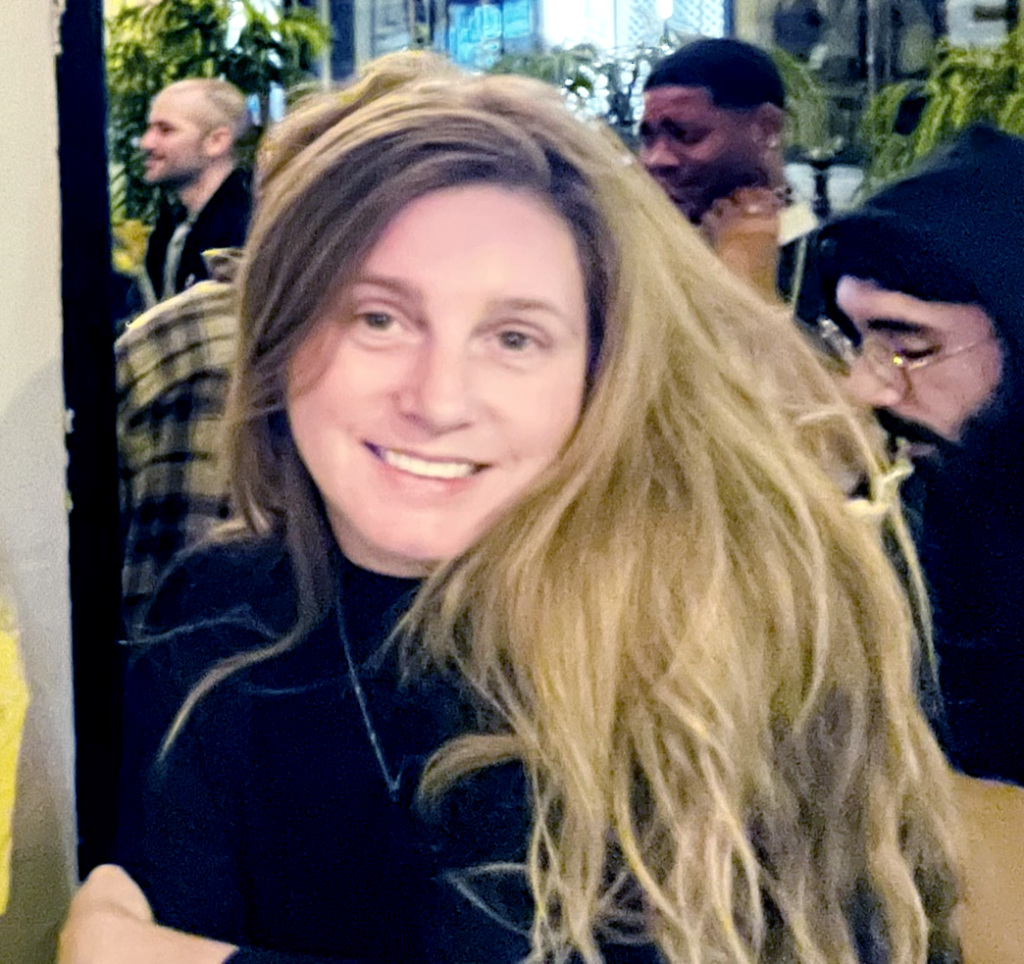
Jenny Tilsen
Jenny Tilsen’s research and teaching is focused on understanding the different ways that science and technoscience are made. She is interested in how communication practices, infrastructures, values, and ethics influence the construction of knowledge, and how knowledge cultures and technologies are negotiated across different social and environmental contexts. Her work draws from science and technology studies, history of science, pedagogy, and philosophy to address the potential for individuals and groups to change how to interact and produce knowledge. Her research often takes up practices like storytelling, games, and other creative expressions as a way to foster transformative change. She is the creator of STEMtelling, a practice-based storytelling method grounded in social epistemology. Additionally, she uses speculative fiction as a world building tool in interdisciplinary collaborations to work towards sustainable and just futures.
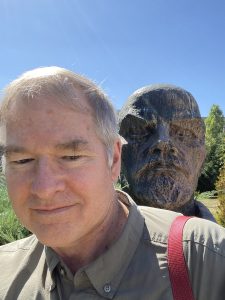
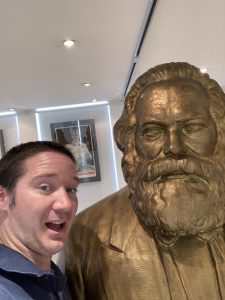
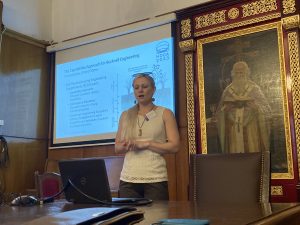
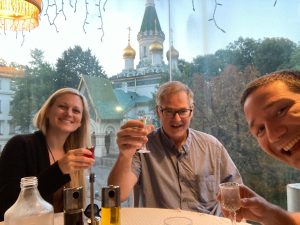
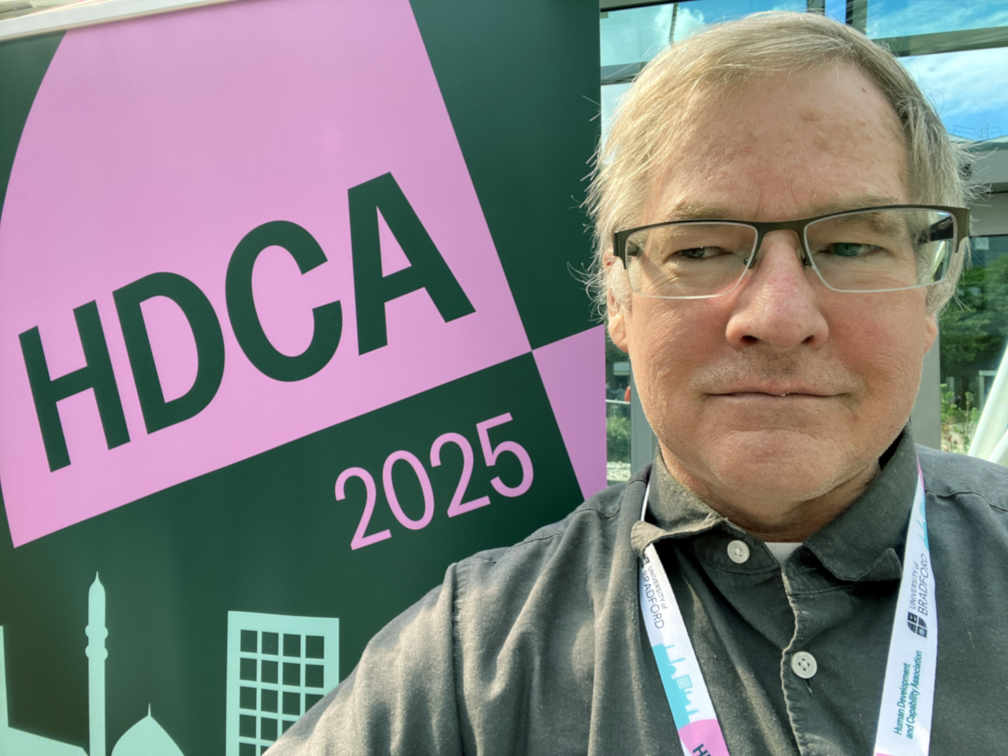
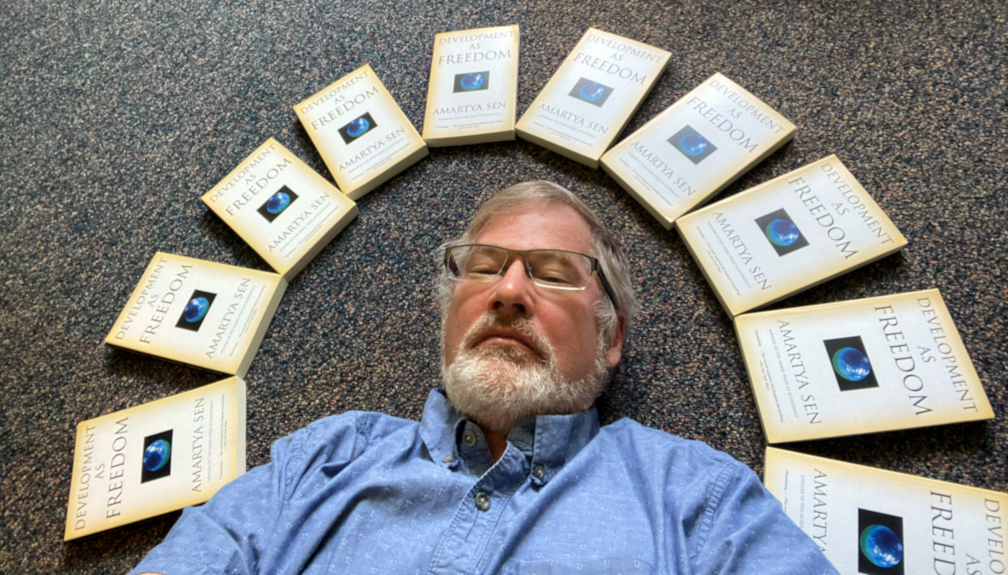
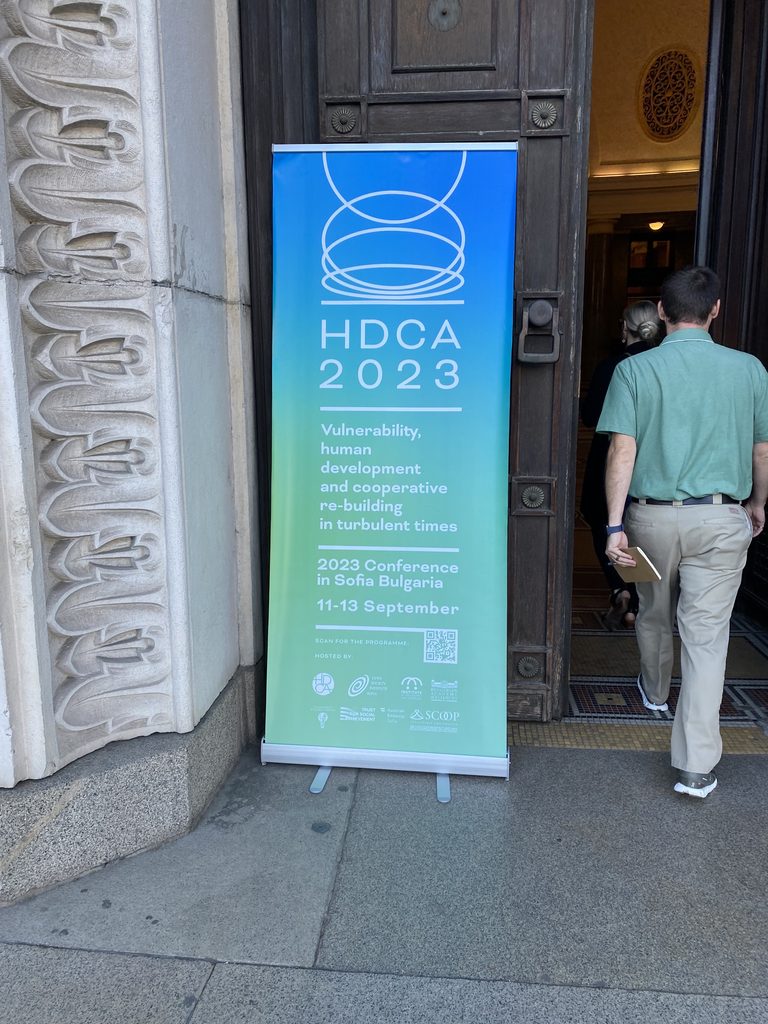
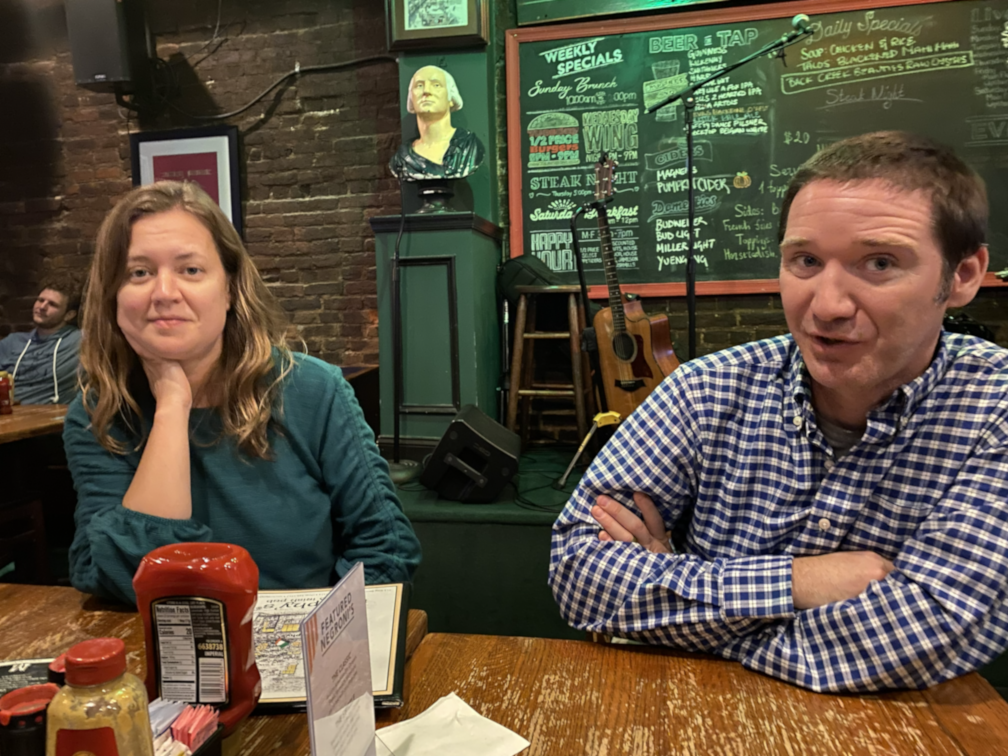
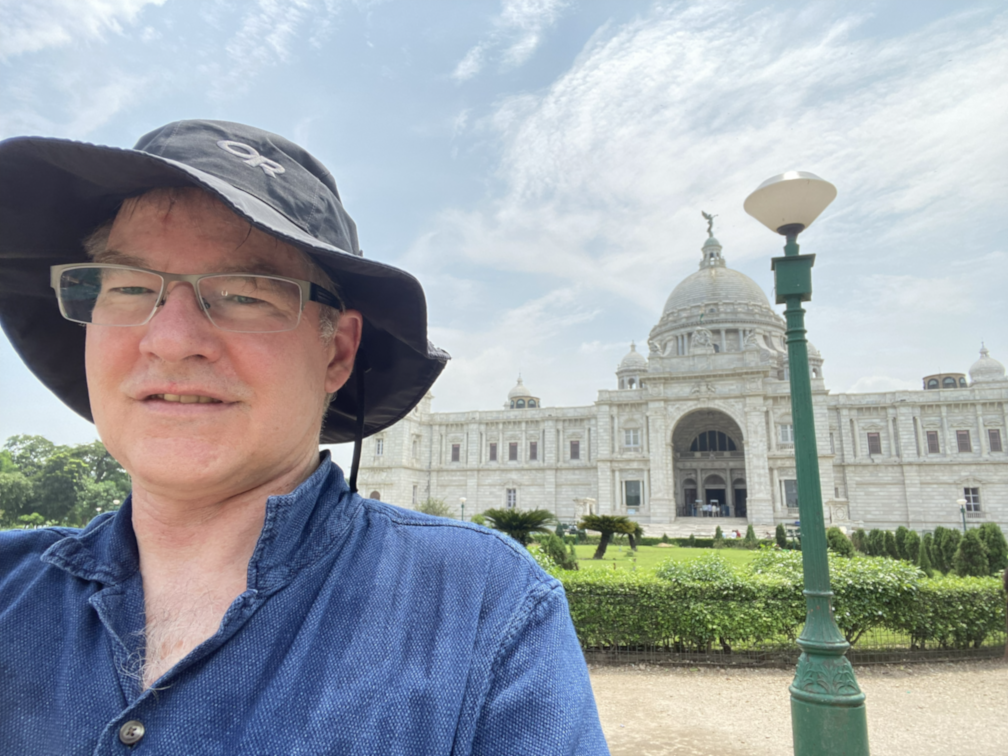
Below are some images from the RED Team’s travels and activities over the life of our grant. Stepping outside of the usual venues for engineering education took us to some interesting places, and really helped keep the team focused on more revolutionary ideas.